
Dysmenorrhea is a common problem in many women's menstrual cycle, but its relationship with fertility needs to be analyzed in conjunction with specific types. Medical experts point out that primary dysmenorrhea (no organic lesions) usually does not affect fertility, while secondary dysmenorrhea (caused by disease) may become an "invisible obstacle" to fertility.
1. Primary dysmenorrhea: physiological phenomenon, may be relieved after childbirth
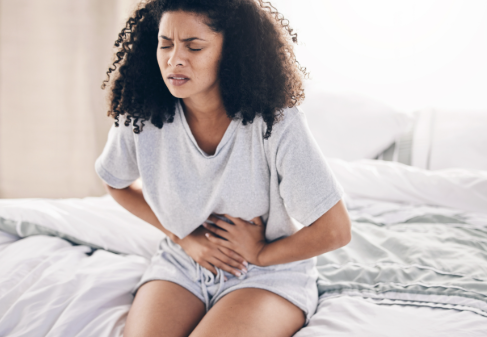
About 90% of dysmenorrhea are primary, mainly caused by excessive secretion of prostanoids in the endometrium leading to spastic contractions of the uterus. They are manifested as pain in the lower abdomen during menstruation, nausea, etc., but there are no abnormalities in the reproductive organs.
90%,,,,.This type of dysmenorrhea mostly starts during adolescence and is often alleviated with age or cervical dilation after childbirth. It generally does not require special treatment and can be alleviated with hot compress and painkillers.
2. Secondary dysmenorrhea: A disease signal that may reduce fertility
If dysmenorrhea occurs or worsens during the childbearing age period, be alert to diseases such as endometriosis, adenomyosis, and pelvic inflammatory disease.
,,,.For example, 30% to 50% of patients with endometriosis are at risk of infertility, because ectopic endometrium may cause pelvic adhesions, fallopian tube obstruction, or immune abnormalities. Adenomyosis can cause thickening of the uterine muscle layer and deterioration of the uterine cavity environment, which affects embryo implantation. This type of pain is often accompanied by symptoms such as increased menstruation and painful intercourse, and needs to be clearly diagnosed through ultrasound and CA125 testing.
1. Distinguish the types of dysmenorrhea: If the pain gradually worsens, is accompanied by abnormal bleeding, or chronic pelvic pain, seek medical attention promptly for organicdiseases
2. Targeted treatment: Endometriosis can improve fertility conditions through drugs (such as GnRH-a) or surgery (such as cystectomy); severe adenomyosis requires a combination of lesion resection and assisted reproductive technology.
3.
3.Lifestyle adjustments:Avoid strenuous exercise during menstruation and intake of raw and cold food. Moderate exercise can relieve prostaglandin secretion.
Dysmenorrhea itself is not a "stumbling block" to fertility, but the potential diseases behind it need to be paid attention to. Scientific understanding and timely medical treatment are the key to protecting reproductive health.
For more on fertility preparation, second/third-generation IVF, and overseas, U.S., Thailand, Malaysia, America or Cambodia IVF, scan the QR code on the right or call lelaiwa's hotline+852 6145 8043!
