
With
the continuous development of science and technology, IVF technology has become increasingly mature and has become an important way for many infertile couples to realize their fertility wishes. For a family that already has one child, if the period
Looking to have a second child, they may choose to use IVF technology to achieve their goal. Among them, frozen embryo transfer is an important part of the IVF cycle, so after frozen embryo transfer
Doyou need to check during the process?
Frozenembryo transfer, in short, is to freeze and preserve the embryos after being cultured in vitro, and then thaw and transfer them to the mother's uterus at an appropriate time. Although this process may seem complicated
But it provides a completely new reproductive option for couples who cannot conceive naturally for various reasons. However, even through IVF technology, a 100% success rate cannot be ensured. Due to
Therefore, during the frozen embryo transfer process, some necessary examinations are indispensable.
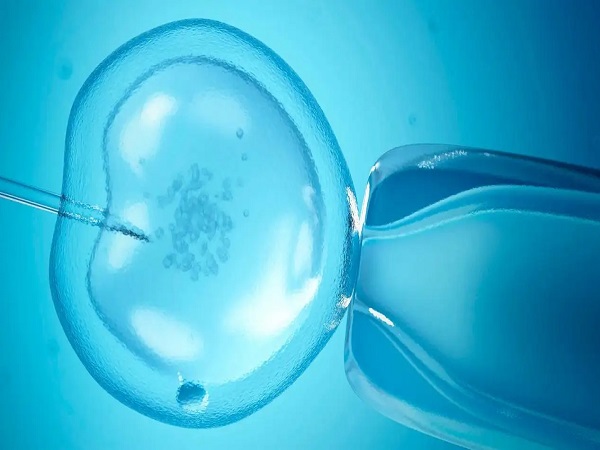
Firstof all, embryo quality inspection is crucial. Although cryopreserved embryos can be stored for a long time in a frozen state, their quality and vitality may be affected to some extent. Therefore, in
Beforetransplantation, the embryos need to be thawed and resuscitated, and their development and vitality should be observed. This is the first step in ensuring that the embryo can successfully implant and develop in the uterus.
Secondly, female physical examinations are also essential. Hormone levels and endometrial conditions in women have a crucial impact on the implantation and development of embryos. Before embryo transfer, women need to betreated
Hormone levels are tested to ensure that they are in a state suitable for embryo implantation. At the same time, checking the endometrium to understand its thickness and shape is also the key to ensuring that the embryo can be successfully implanted
Factor.
Inaddition, there are other factors that need to be considered, such as the woman's age, medical history, living habits, etc. These factors may have an impact on the implantation and development of embryos, so when frozen embryos
Duringthe transfer process, these factors need to be comprehensively considered to create the most ideal conditions for embryo transfer.
Overall, although IVF technology has brought hope to many couples, necessary examinations must not be ignored during the frozen embryo transfer process. Only by passing these checks can you ensure that
Thequality and vitality of the embryo and the physical condition of the woman are an important link that cannot be underestimated for families expecting to have a second child.
For those families who are or will soon undergo the frozen embryo transfer process, we hope that they can take this process seriously and conduct relevant examinations to create the most advantageous path for their second child.
Conditions for
. At the same time, it is also hoped that with the continuous development of technology, IVF technology will become more mature and bring hope to more families.
For more on fertility preparation, second/third-generation IVF, and overseas, U.S., Thailand, Malaysia, America or Cambodia IVF, scan the QR code on the right or call lelaiwa's hotline+852 6145 8043!
