
Manypatients are not very clear about the concepts of artificial insemination and IVF in assisted reproductive technology mentioned by doctors, and some patients even have misunderstandings that artificial insemination is IVF. Here, let us follow Xiaobian'sintroduction,
Learn more about these two technologies.
1. Definition of artificial insemination and IVF
Artificialinsemination: refers to the non-sexual delivery of sperm into the female reproductive tract to promote pregnancy. Specifically, the sperm are washed and separated first, high-quality sperm are extracted and injected into the uterine cavity. Manual
Insemination is divided into artificial insemination with husband sperm and artificial insemination with donor sperm. The former uses her husband's sperm, while the latter uses third-party sperm.
IVF: Also known as in vitro insemination-embryo transfer. This technology uses artificial methods to fertilize eggs and sperm in vitro, undergo early embryonic development, and then transplanted back to the mother's uterus for development until birth. understandable
The petri dishes used in the laboratory replace the function of the fallopian tubes to a certain extent. At present, there are first-generation test tube technology, second-generation test tube technology and third-generation test tube technology, and each technology differs in terms of principles and costs.
Second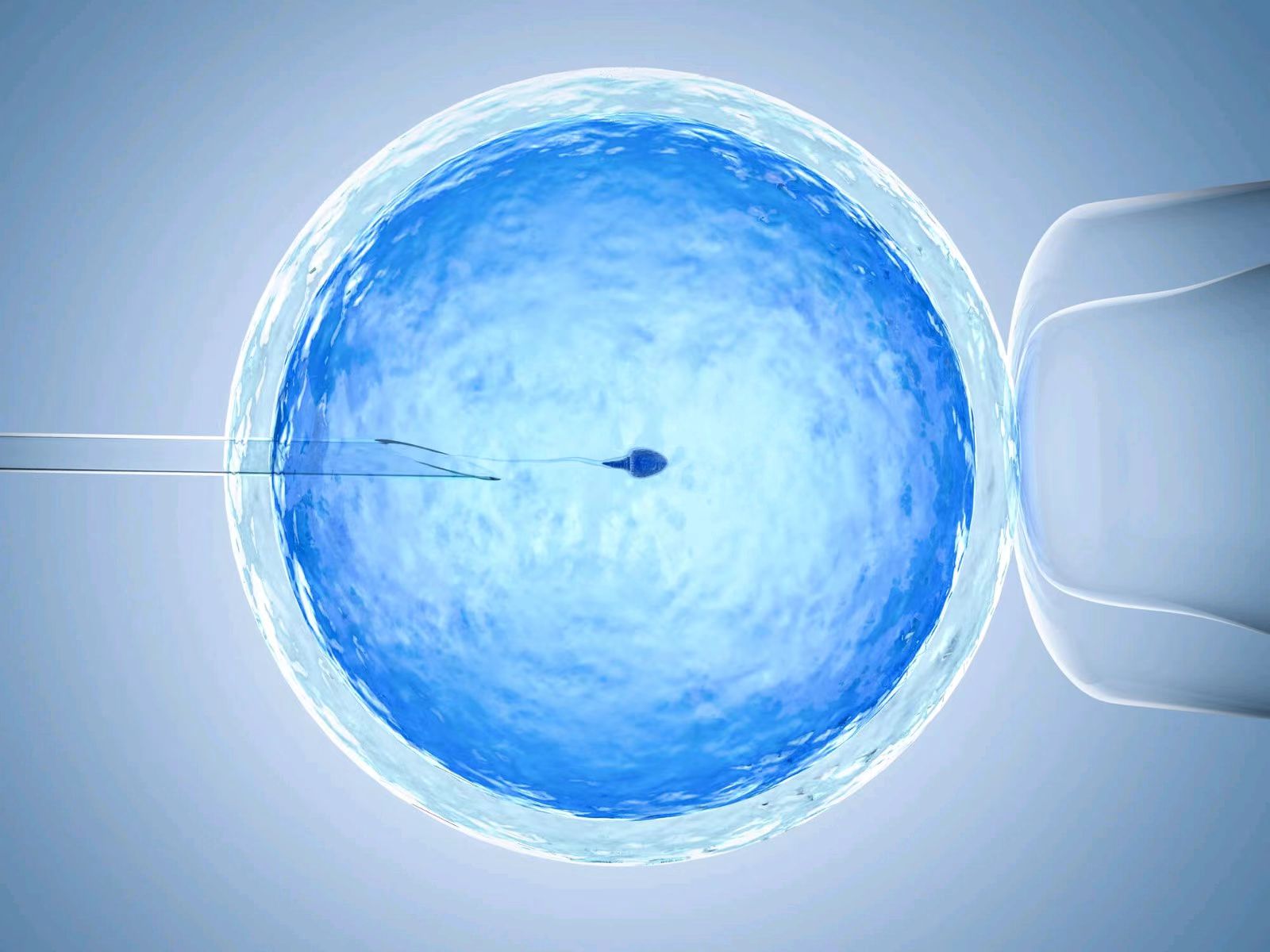
Technical differences
Artificial insemination is mainly carried out by artificial sperm collection, or using third-party sperm, which is injected into a woman's uterus for insemination, which is similar to the principle of natural conception
.
Artificial insemination primarily involves the use of artificial methods to retrieve sperm, or utilize sperm from a third party, and then inject it into the woman’s uterus to facilitate fertilization. This process is similar to natural conception. IVF technology requires women to induce ovulation.
When the egg is removed, the man extracts the sperm and performs artificial insemination in the laboratory. After cultivating the embryo into an embryo, it is transplanted into a woman's uterus for implantation.
Costs vary
The cost of artificial insemination is much lower than that of IVF. Calculated in one cycle, the cost of artificial insemination is about 5000 - 10000 yuan, while the technical cost of IVF is about 30,000 - 100,000 yuan. Due to the selected test tube
Different technologies differ.
Applicable groups are different
Artificial insemination is mainly used for infertility caused by male causes, such as severe hypospadias, retrograde ejaculation, erectile dysfunction, azoospermia, oligospermia, asthenospermia, semen nonliquefaction, etc.; some women have symptoms such as negative
Tract spasm, small cervix, abnormal cervical mucus, etc. are also applicable; in addition, artificial insemination can also be used for people with immunological diseases.
IVF is mainly used for female infertility, such as severe fallopian tube disease, endometriosis, immune infertility, etc. The second generation of test-tube babies are targeted for oligospermia and asthenospermia.
Male infertile patients; the third generation of IVF is mainly suitable for patients with genetic diseases and chromosomal abnormalities.
The conception process is different
Artificial insemination is the use of artificial injection of a husband's sperm or third-party sperm into the female reproductive tract to achieve pregnancy. It is a remedy for couples who are infertile due to male reasons.
For male factors, female cervical, immune or unexplained infertility, semen can be washed and then subjected to intra-uterine artificial insemination, intra-abdominal artificial insemination, or direct intra-follicular insemination.
IVF refers to the combination of sperm and eggs in a test tube, and the fertilized egg is allowed to grow, divide and develop in a qualified environment for 3 - 6 days to form an embryo. Then the embryo is transplanted into the uterine cavity to make it
Implant and develop in the uterine cavity until birth. This is a fertility method that requires extremely high science and technology. Its success and development not only bring hope to infertile couples, but also have important implications for human reproductive physiology and embryogenesis.n
Research on topics such as science and eugenics also has an immeasurable positive role.
Different success rates
The rate is relatively high, about 50%. With the continuous improvement of IVF technology,
Le Laiwa hereby reminds me: All in all, IVF is a process such as superovulation promotion through drugs, egg retrieval, and in vitro fertilization. Artificial insemination is relatively simple, just replacing the same room process. Artificial insemination and test tube
n
Infantsare suitable for different patients and require a doctor to conduct a comprehensive evaluation of the patient and formulate a treatment plan. In general, patients who meet the indications for artificial insemination do not need to undergo IVF assisted pregnancy.
For more on fertility preparation, second/third-generation IVF, and overseas, U.S., Thailand, Malaysia, America or Cambodia IVF, scan the QR code on the right or call lelaiwa's hotline+852 6145 8043!
