

When Frost's Descent arrives, the saying "Nourish and harvest in autumn and winter" holds true. For couples planning to conceive, these principles align with modern concepts of reproductive health. This article doesn't delve into mysticism but presents three practical insights from traditional Chinese medicine that can be applied during pregnancy preparation.
First Insight: Nourishing Sleep is Nourishing Your Endocrine System
Traditional Chinese medicine recommends sleeping early and rising late, allowing natural light to influence your body. In modern terms, this means avoiding staying up late and letting natural light guide your daily routine. Research shows that chronic sleep deprivation and disrupted circadian rhythms can interfere with the hypothalamic-pituitary-ovarian axis, affecting ovulation regularity and potentially reducing sperm quality.
actionable tips: Try to go to bed before 11 PM and ensure 7–8 hours of sleep per night. Stay away from bright screens one hour before bedtime. Keep your bedroom dark and quiet. This is more effective than any "sleep aid".
Second Insight: Nourishing Diet is Nourishing Your Metabolism
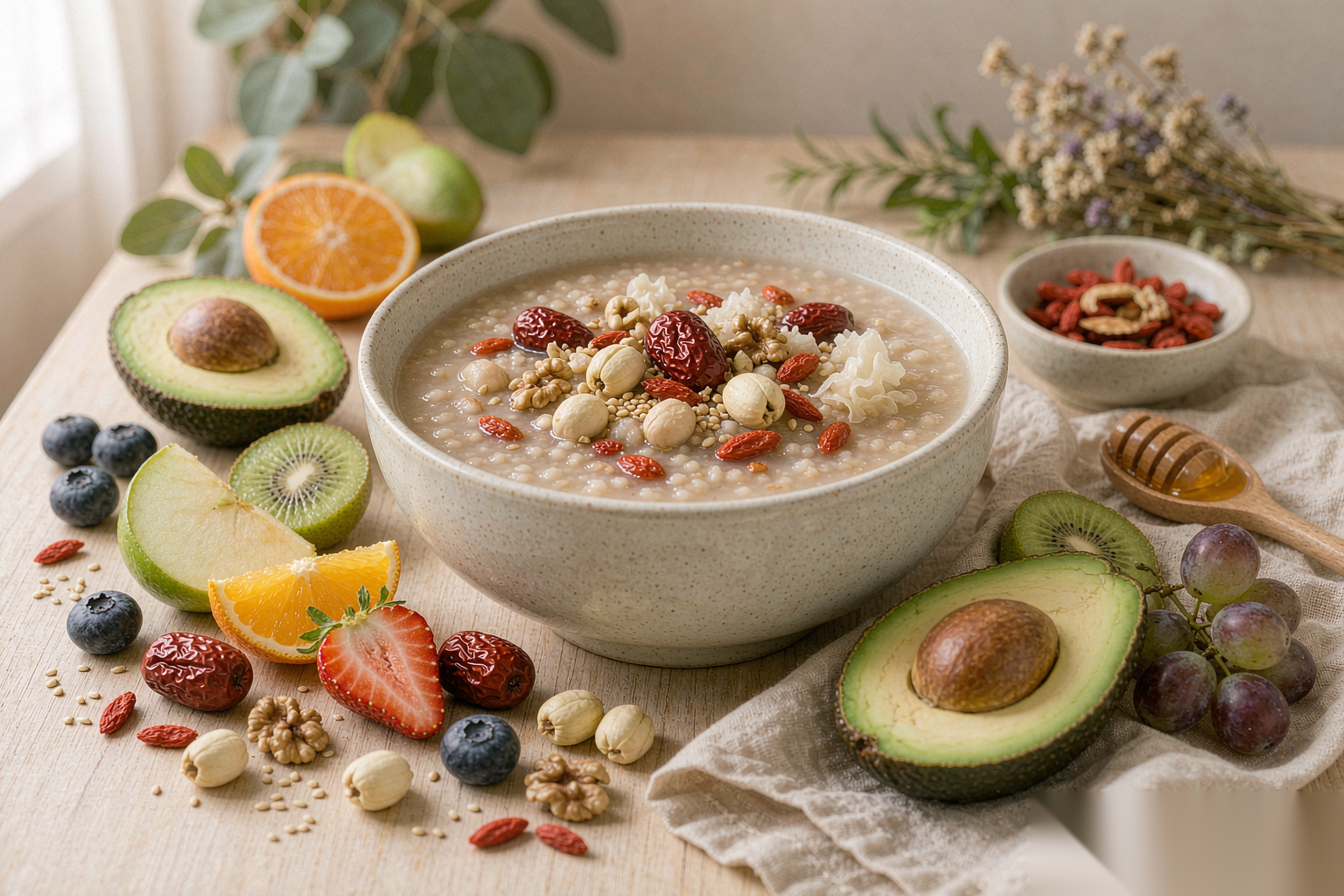
It's important to nourish yourself in autumn and winter, but those preparing for pregnancy should do so wisely. Traditional Chinese medicine emphasizes "moisturizing" rather than "filling" the body. Modern nutrition also suggests controlling sugar intake, consuming high-quality protein, and eating plenty of fruits and vegetables. Especially for those with polycystic ovary syndrome or insulin resistance, high-calorie diets can increase metabolic burden during autumn and winter, potentially affecting ovulation.
actionable tips: Eat moderately, consume more fish, eggs, lean meat, and dark-colored vegetables, and reduce sweet drinks and fried foods. Men should also consume foods rich in zinc and selenium, such as oysters and pumpkin seeds.
Third Insight: Nourishing Emotions is Nourishing the "Soil for Conception"
Traditional Chinese medicine warns against prolonged grief and emotional stress, as these can affect fertility through neuroendocrine pathways. Stress during pregnancy preparation can actually slow down the process.
actionable tips: Replace the mindset of "must succeed" with a focus on "trying your best and accepting the process." Moderate exercise, mindfulness, and communication with partners can help maintain emotional balance at a low cost.
Beyond These Three Insights, It's Important to Maintain Boundaries
Traditional Chinese medicine focuses on maintaining health, not just treating problems after they occur. If you have specific causes of infertility (such as blocked fallopian tubes, severe oligospermia, or reduced ovarian reserve), please seek evaluation at a qualified assisted reproductive clinic. Don't rely solely on self-care.
For more on fertility preparation, second/third-generation IVF, and overseas, U.S., Thailand, Malaysia, America or Cambodia IVF, scan the QR code on the right or call lelaiwa's hotline+852 6145 8043!
 Address: Beijing City Yili Ecological Plaza
 WeChat: lelaiwa2008
 Phone: +852 6145 8043
